
Sea Creatures Photography: Technique, Challenges, and Underwater Insights

Sea Creatures Photography: Techniques, Challenges, and Underwater Insights
The ocean remains one of Earth's greatest mysteries. Beneath the surface exists a world filled with remarkable colors, unusual behaviors, and fascinating species that many people never have the opportunity to witness firsthand. From graceful manta rays gliding through blue water to tiny nudibranchs displaying vibrant patterns, every dive reveals something unexpected.
This is where sea creatures photography becomes far more than a creative pursuit. It serves as a bridge between the hidden underwater world and those who may never descend beneath the waves. Through carefully captured images, photographers reveal moments that inspire curiosity, deepen appreciation for marine ecosystems, and encourage greater awareness of ocean conservation.
For many aspiring underwater photographers, the challenge lies in capturing marine life accurately while working within constantly changing conditions. Water absorbs light, subjects move unpredictably, and visibility can shift within minutes. Yet these very challenges make underwater photography one of the most rewarding forms of visual storytelling.
In this guide, we explore the art and science of sea creatures photography, examine the diversity of marine life, and share professional insights that can help photographers create more compelling underwater images.
Why Sea Creatures Photography Captivates Audiences Worldwide
Few photographic subjects combine beauty, mystery, and unpredictability as effectively as marine wildlife. Unlike terrestrial photography, underwater encounters often happen in dynamic environments where both photographer and subject are in motion.
The appeal of sea creatures photography comes from its ability to reveal behaviors and ecosystems that remain hidden from everyday life. A single image can showcase the elegance of a sea turtle, the intelligence of an octopus, or the sheer scale of a whale shark.
Professional photographers frequently emphasize that successful sea creatures photography is not simply about documenting animals. It is about creating emotional connections. Images that capture eye contact, unique behavior, or dramatic environmental conditions often resonate most strongly with viewers.
Many galleries and conservation organizations use underwater imagery to educate audiences about vulnerable habitats and the importance of protecting marine ecosystems. This educational value adds another dimension to sea creatures photography, transforming it into a powerful storytelling tool.
Discovering Marine Life in the Atlantic Ocean
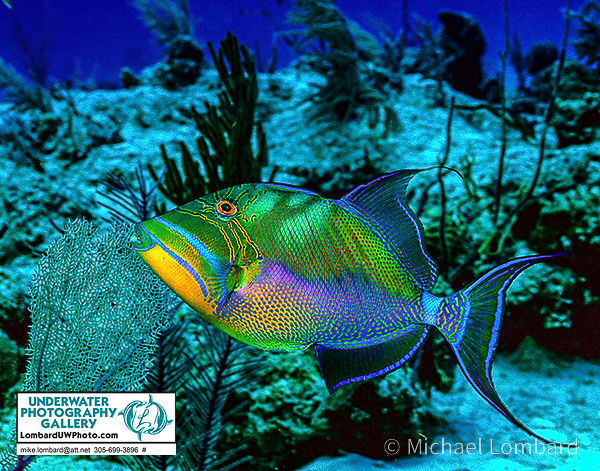
The diversity of marine life in the Atlantic ocean makes it one of the most exciting regions for underwater photographers. Stretching across multiple climate zones, the Atlantic hosts an incredible range of species and habitats.
Photographers exploring marine life in the Atlantic ocean may encounter everything from colorful reef fish in tropical waters to massive pelagic species in deeper offshore environments. Coral reefs, kelp forests, seagrass beds, and open-ocean ecosystems all contribute unique photographic opportunities.
One of the remarkable aspects of marine life in the Atlantic ocean is the variety of behaviors visible throughout the year. Seasonal migrations, spawning events, and feeding aggregations create opportunities to capture rare moments that tell compelling visual stories.
For photographers seeking diversity, marine life in the Atlantic ocean offers encounters with dolphins, sharks, sea turtles, rays, crustaceans, and countless species of fish. These subjects allow photographers to develop portfolios that showcase both biodiversity and environmental complexity.
When planning underwater expeditions, photographers should consider seasonal conditions and local conservation guidelines. This is also an excellent place to include an external resource linking to marine conservation research or ocean biodiversity studies.
Memorable Encounters That Shape Sea Creatures Photography
Some of the most compelling examples of sea creatures photography emerge from close encounters with marine species that display remarkable behavior and personality. These moments often require patience, preparation, and a deep understanding of the underwater environment.
Manta rays are among the most sought-after subjects due to their graceful movements and impressive wingspans. Photographers often position themselves near cleaning stations or feeding areas, allowing the animals to move naturally through the frame. Wide-angle lenses are commonly used to capture their scale while preserving the surrounding environment.
Sea turtles present opportunities for both portrait and habitat-focused imagery. Experienced photographers avoid chasing them and instead observe their natural movements, creating photographs that feel authentic and undisturbed.
Whale sharks challenge photographers to balance composition with scale. As the world's largest fish, they are best photographed using wide-angle techniques that showcase their size while incorporating the surrounding blue water for perspective.
Octopuses offer a completely different experience. Their intelligence, camouflage abilities, and expressive behavior make them fascinating subjects for detailed close-up photography. Capturing these animals often requires careful observation and quick reactions as they change color, texture, and position within seconds.
Wildlife Underwater Photography: Balancing Art and Observation
The best wildlife underwater photography begins with observation. Many photographers enter the water focused entirely on camera settings, yet understanding animal behavior often proves more valuable than technical expertise alone.
Successful wildlife underwater photography requires patience. Marine animals are often more likely to approach when photographers remain calm, move slowly, and avoid sudden disturbances. Respectful interactions frequently lead to more authentic images.
Composition plays a major role in effective wildlife underwater photography. Rather than centering every subject, photographers often use negative space, environmental framing, and natural light patterns to create stronger visual narratives.
Another key principle of wildlife underwater photography involves storytelling. Instead of isolating subjects against empty backgrounds, photographers can include surrounding habitat to provide ecological context. This approach helps viewers understand the relationship between marine species and their environments.
Many professionals recommend spending several minutes observing a subject before taking photographs. Understanding feeding behavior, movement patterns, and interactions with other animals often leads to stronger and more meaningful images.
Technical Insights from Professional Underwater Photographers
Mastering sea creatures photography requires understanding how underwater conditions affect image quality. Water behaves differently than air, influencing color, sharpness, and contrast.
One of the most common challenges is color loss. Red wavelengths disappear first as depth increases, causing underwater scenes to appear increasingly blue or green. Professional photographers often use strobes or video lights to restore natural colors.
Lens selection is another important consideration. Wide-angle lenses are frequently used for large marine animals and habitat scenes, while macro lenses excel when photographing small subjects such as nudibranchs, shrimp, and tiny reef fish.
Experts in sea creatures photography often follow a simple principle: get close to the subject. Water reduces clarity between camera and subject, making proximity essential for producing sharp, detailed images.
Additional professional recommendations include:
Shoot in RAW format whenever possible.
Maintain neutral buoyancy to avoid disturbing habitats.
Use continuous autofocus for moving subjects.
Monitor backscatter caused by suspended particles.
Prioritize proper exposure over excessive editing.
Many photographers also stress the importance of understanding local ecosystems before entering the water. Knowledge of species behavior often improves image quality more than upgrading equipment.
Challenges Every Underwater Photographer Faces
While sea creatures photography produces stunning results, it also presents unique obstacles that photographers must overcome.
Limited visibility remains one of the most common challenges. Factors such as weather conditions, currents, and plankton blooms can affect image clarity. Experienced photographers learn to adapt their shooting strategies based on environmental conditions.
Lighting is another significant concern. Natural light changes rapidly underwater, especially at greater depths. Understanding artificial lighting techniques can dramatically improve image quality.
Photographers pursuing wildlife underwater photography must also account for animal movement. Fast-moving species rarely cooperate with planned compositions. Anticipating behavior and maintaining camera readiness become essential skills.
Equipment maintenance presents an additional challenge. Cameras, housings, ports, and strobes require careful preparation and regular inspection. Even minor leaks can damage expensive equipment.
Despite these difficulties, overcoming such obstacles often leads to greater creative growth and more rewarding photographic experiences.
How Underwater Photography Supports Ocean Awareness
Beyond artistic achievement, sea creatures photography plays an important role in conservation communication. Images have the power to translate scientific concepts into emotional experiences that resonate with broader audiences.
Photographs documenting marine life in the Atlantic ocean help illustrate both the beauty and vulnerability of marine ecosystems. Viewers who see thriving reefs, majestic sharks, or intricate invertebrates often develop a deeper appreciation for ocean protection efforts.
Similarly, compelling examples of wildlife underwater photography can highlight environmental challenges such as habitat degradation, pollution, and climate-related changes. Visual evidence often communicates these issues more effectively than statistics alone.
Photography galleries dedicated to underwater imagery contribute significantly by making these visual stories accessible to a wider audience. They provide opportunities for education, inspiration, and meaningful engagement with marine environments.
For visitors seeking a deeper understanding of underwater ecosystems, the Underwater Photography Gallery offers an exceptional window into the ocean's most captivating subjects. Through carefully curated imagery, the gallery showcases extraordinary marine encounters while highlighting the diversity and beauty of underwater life. The collection helps answer common questions about marine species, underwater environments, photographic techniques, and ocean exploration, making complex marine topics accessible through visual storytelling.
Conclusion
The ocean continues to surprise even the most experienced explorers. Every dive offers opportunities to encounter new species, witness unique behaviors, and gain a deeper understanding of marine ecosystems.
Throughout this guide, we explored how sea creatures photography combines artistic vision, technical skill, and environmental awareness. We examined the remarkable diversity of marine life in the Atlantic ocean, discussed professional approaches to wildlife underwater photography, and addressed common challenges faced by underwater photographers.
Whether your goal is to improve your photographic technique, better understand marine ecosystems, or simply appreciate the beauty beneath the waves, sea creatures photography provides an extraordinary way to connect with the underwater world. By learning from experienced photographers and studying authentic marine encounters, you can develop both your creative skills and your appreciation for ocean life.
If you are inspired to see the ocean from a new perspective, explore curated underwater galleries and discover the remarkable stories waiting beneath the surface.
For readers who want to move beyond textbooks and documentaries, Underwater Photography Gallery offers a unique opportunity to experience the underwater world through the eyes of dedicated marine photographers. The gallery showcases carefully curated collections featuring rare marine encounters, vibrant reef ecosystems, pelagic species, macro subjects, and remarkable examples of sea creatures photography captured across diverse ocean environments. Beyond displaying stunning imagery, the gallery helps visitors better understand marine behavior, underwater habitats, photographic techniques, and the stories behind each image. Whether you are a photography enthusiast, ocean explorer, conservation advocate, or someone fascinated by marine life, the gallery serves as a valuable visual resource that transforms complex underwater ecosystems into engaging and accessible experiences.
Curious to see these extraordinary marine encounters for yourself? Explore the Underwater Photography Gallery and discover the remarkable stories hidden beneath the ocean's surface through captivating images and expert visual storytelling.
Frequently Asked Questions (FAQ’s)
What is sea creatures photography?
Sea creatures photography is the practice of photographing marine animals and underwater ecosystems to document their behavior, beauty, and habitats beneath the ocean's surface.
What equipment is best for sea creatures photography?
For sea creatures photography, photographers commonly use waterproof camera housings, wide-angle or macro lenses, underwater strobes, and cameras capable of shooting in RAW format.
Why is wildlife underwater photography challenging?
Wildlife underwater photography involves changing light conditions, moving subjects, limited visibility, and environmental factors that require specialized techniques and equipment.
Where can photographers observe marine life in the Atlantic Ocean?
Photographers can encounter diverse marine life in the atlantic ocean around coral reefs, offshore habitats, coastal ecosystems, marine reserves, and migration corridors throughout the region.
How can beginners improve their underwater photography skills?
Beginners can improve by practicing buoyancy control, learning animal behavior, understanding underwater lighting, and spending time observing subjects before taking photographs.


Comments